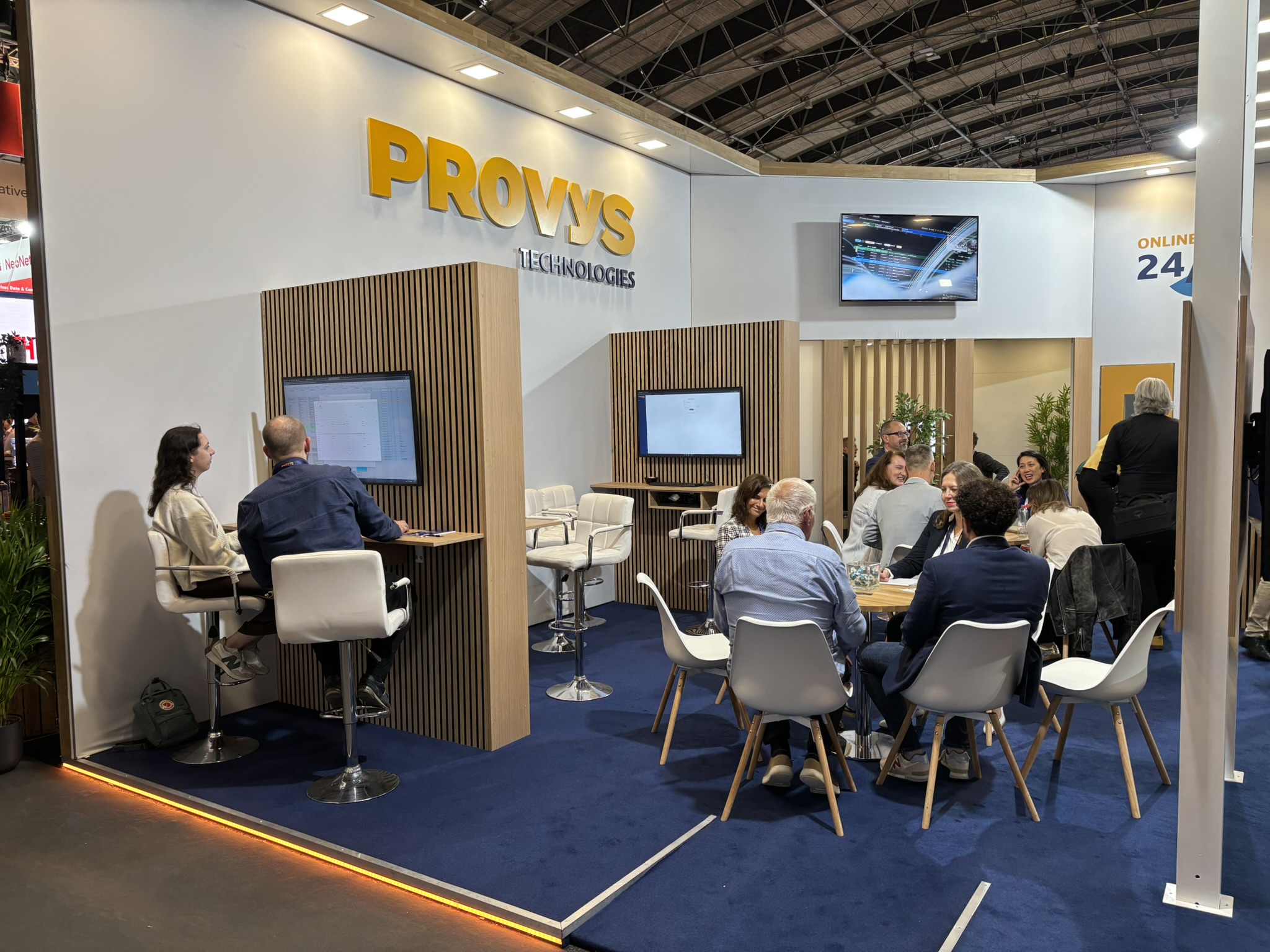
IBC 2026: From Task Automation to Connected Broadcast Workflows
09/2026
Several major transitions are reshaping the media industry at once. That was my strongest impression from IBC 2026. Audience habits, distribution platforms and technology infrastructure are changing, alongside growing cost pressures and rapid advances in AI. For broadcasters, these changes eventually reach a practical question: how do you adapt the way a channel operates without rebuilding the process every time priorities change?
Broadcast technology must make change easier
Broadcasters need to launch services, test distribution models and adapt their operations without another multi-year transformation programme each time. Flexibility is becoming a basic requirement. The economics matter just as much: the question is not only what a system can do, but what it costs to implement, integrate and adapt over time.
The move from dedicated hardware to software and cloud is part of this transition. Hosting an application on a remote server, however, does not resolve what happens between systems. A schedule change still has to reach the people and tools responsible for playout. Operators need to know what has changed, check its effect on the playlist and keep the channel on air.
AI agents and the gaps between systems
Transcription, subtitling and metadata processing have already shown the value of automating individual tasks. At IBC 2026, I also saw working agents carrying out sequences of actions. Most were built around functions within a single application. I saw far less focused on a process that crosses system boundaries.
Moving data between systems is not the whole problem; interfaces have done that for decades. When a programme moves in the schedule, someone still has to determine whether its promos refer to the right slot and what needs to change in the transmission plan. The information may be available, but drawing conclusions from it and acting on them often remains a manual step.
Where that handover follows clear rules, established automation is usually the right tool. What remains is more contextual: understanding a change, weighing its effects across several parts of the operation and deciding what to do next. This is where agents may eventually help. They would need to follow the process across systems, while rules and interfaces continue to handle the tasks they already cover well.
For smaller media organisations, the goal need not be primarily about reducing headcount. It could mean managing more channels, content and distribution platforms with the same team. Technology should be judged by the work it makes possible, not only the work it removes.
Reliable automation starts with reliable data
There is a difference between an impressive demonstration and dependable day-to-day operation. Greater agent autonomy requires clear business rules, permissions and a gradual progression from recommendations to actions carried out under human supervision.
Above all, it requires reliable, structured information: what content is available, what is scheduled, which rights apply and what actually aired. In playout, the connection between the planned schedule, the running playlist and the as-run record is especially important. Without dependable data at each stage, automating decisions risks multiplying inconsistencies rather than resolving them.
From connected information to connected operations
In the 1990s, integrated broadcast management systems helped connect information scattered across departments, spreadsheets and separate databases. That transition connected the information. The next could connect more of the actions and decisions that still depend on a person reading the outcome of one step and working out what should happen next.
This matters at the point where planning becomes playout. Systems can exchange schedules and records, but broadcasters also need a clear view of changes, control over the running playlist and reliable feedback on what went to air. Those are practical foundations for any more ambitious automation.
That is my main takeaway from IBC 2026. The question is not simply which features software will offer next, but how well it will support the people responsible for keeping channels on air as their operations change.
Josef Vašica, CEO of PROVYS Technologies